
Table of Contents
ToggleDo’s and Don’ts in Renal Stones — Prevention, Diet & Lifestyle (Complete Guide)
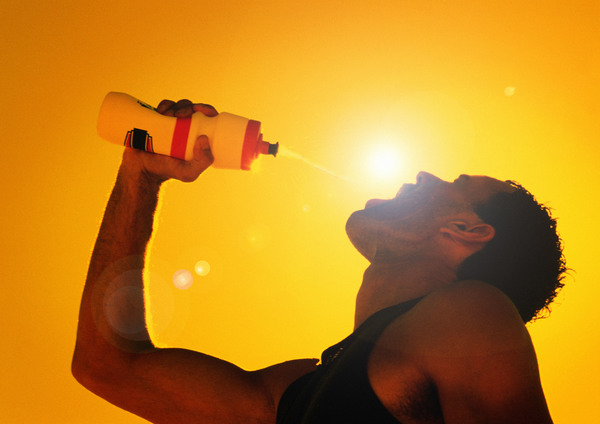
Practical, physician-friendly guide to preventing kidney stones: what to do, what to avoid, diet tips, fluid goals, medical options Evidence-based and easy to follow.
Kidney stones (renal calculi) are painful, common and — in many cases — preventable. Whether you’re reading this because you’ve had a stone before or because you want to reduce your lifetime risk, this guide translates current evidence into clear, usable “Do’s and Don’ts” you can apply today.
This post covers: why stones form, how to prevent them with diet and lifestyle, practical do’s and don’ts, when to see a doctor, and what medical prevention looks like — all with authoritative sources
Quick facts (evidence highlights)
Drinking enough fluids to produce about 2–2.5 liters of urine daily substantially reduces stone risk. Mayo Clinic+1
For most calcium-oxalate stone formers, dietary calcium should be maintained (not restricted) because calcium in food binds oxalate in the gut and reduces stone formation. National Kidney Foundation+1
Limit sodium and excessive animal protein; both increase urinary calcium excretion and stone risk. PMC+1
Medical therapies (e.g., thiazide diuretics, potassium citrate) are effective for selected patients at high risk of recurrence and should be guided by 24-hour urine testing and specialist advice. American Urological Association+1
How kidney stones form
Stones form when urine becomes supersaturated with minerals (calcium, oxalate, uric acid, cystine, etc.) that crystallize and grow into stones. The most common type is calcium oxalate. Dehydration concentrates urine; dietary and metabolic factors determine whether those minerals stay dissolved or crystallize. Understanding your stone type (via stone analysis and 24-hour urine testing) is central to targeted prevention.
The Do’s: actions that lower risk (practical & measurable)
1) Drink more — aim for sufficient urine volume
Do drink fluids steadily through the day. Most guidelines recommend enough fluids to produce about 2–2.5 L (≈2–3 quarts) of urine daily; in practical terms this often means 2.5–3.0 L of fluid intake depending on climate and activity. Plain water is ideal; citrus juices (lemonade) provide beneficial citrate but avoid sugary drinks and grapefruit juice. Measure urine output if you’re prone to recurrence. Mayo Clinic+1
Practical tip: carry a 1-litre bottle and sip; set phone reminders until it becomes habitual.
2) Keep dietary calcium (from foods)
Do eat normal amounts of calcium (three servings of dairy or equivalent daily). Dietary calcium binds dietary oxalate in the gut, reducing oxalate absorption and urinary oxalate. Avoid blanket calcium restriction unless specifically advised by your physician. yorkhospitals.nhs.uk+1
3) Limit sodium (salt)
Do lower salt intake. High sodium intake increases urinary calcium excretion and promotes calcium stone formation. Aim to reduce processed foods and avoid adding extra salt; many guidelines reference limiting sodium to roughly 2 g/day for stone prevention when appropriate. PMC
4) Moderate animal protein
Do choose moderate amounts of animal protein. Very high animal protein (red meat, large amounts of poultry or fish) increases urinary calcium and lowers urinary citrate — which raises stone risk. Balance protein with plant sources and keep portions reasonable. National Kidney Foundation
5) Reduce high-oxalate foods if you are oxalate-sensitive
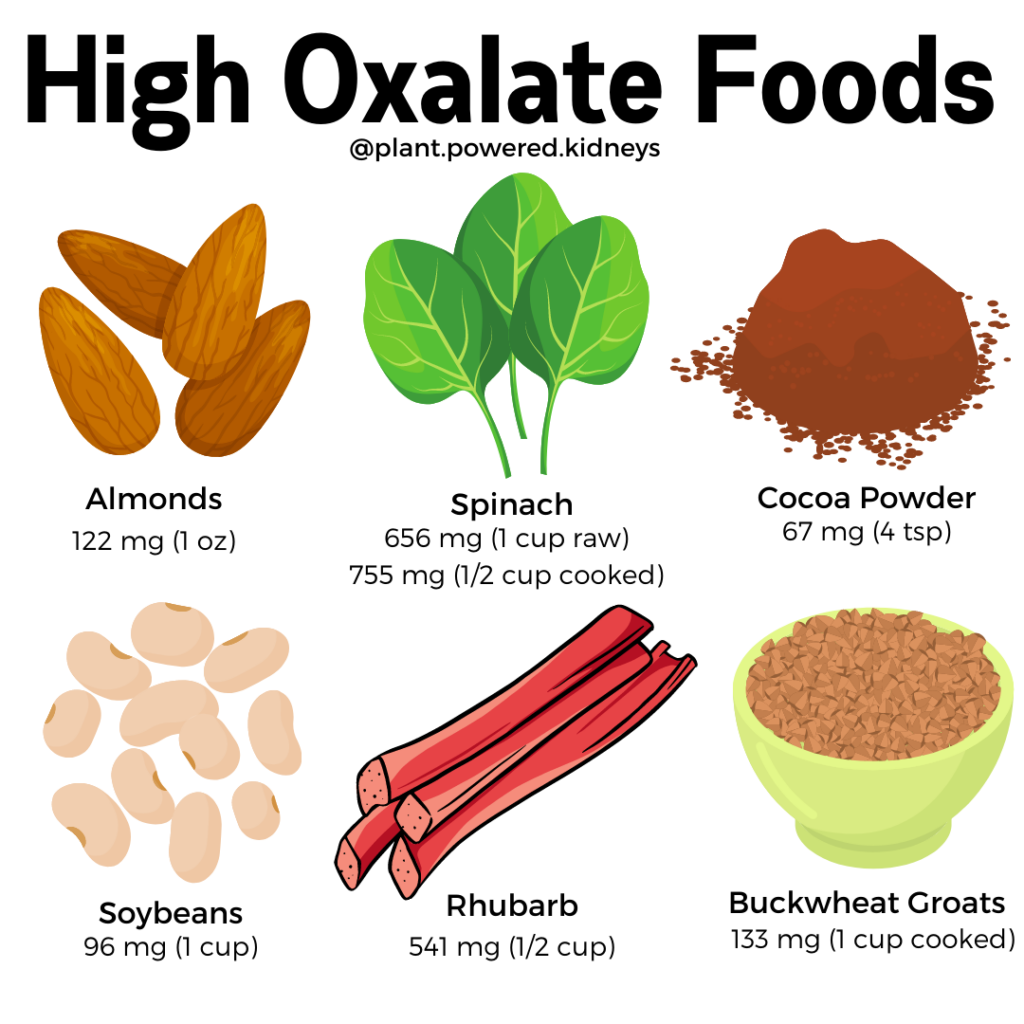
Do reduce intake of very high oxalate foods if you form calcium-oxalate stones and have high urinary oxalate. Spinach, beetroot, rhubarb, nuts, wheat bran, some berries, and large quantities of tea or chocolate are high in oxalate. When you eat oxalate foods, combine them with calcium-containing foods during the meal to bind oxalate in the gut. National Kidney Foundation+1
6) Increase dietary citrate (lemon/lime)
Do include citrus (lemon/lime) or other citrate sources. Citrate in urine binds calcium and reduces stone formation. Adding lemon juice to water is a practical measure that increases urinary citrate for many people. National Kidney Foundation
7) Maintain healthy body weight and activity
Do target healthy weight through diet and regular exercise. Obesity and metabolic syndrome are associated with higher stone risk. Lifestyle measures that improve insulin sensitivity and reduce weight may also lower stone risk. PMC
8) Follow medical advice for medications and testing
Do ask your doctor for a 24-hour urine test and stone analysis (if you pass a stone). This guides targeted prevention. If indicated, medications such as thiazide diuretics (to lower urinary calcium) or potassium citrate (to raise urinary citrate/alkalinize urine) are proven options for preventing recurrence. These require medical supervision. American Urological Association+1
The Don’ts: common mistakes that increase risk
1) Don’t rely on low-calcium diets
Don’t cut dietary calcium without advice. Paradoxically, very low calcium intake increases oxalate absorption and stone risk. Prefer food sources of calcium and avoid unnecessary calcium supplements unless prescribed. yorkhospitals.nhs.uk
2) Don’t binge on oxalate foods without balance
Don’t eat large portions of high-oxalate foods (spinach salads, excessive nuts, concentrated chocolate) especially on an empty stomach. If you love spinach or nuts, consume them with a calcium source (milk, yogurt) to reduce oxalate absorption. National Kidney Foundation
3) Don’t overconsume sodium and processed foods
Don’t assume a “low fluid, high salt” lifestyle is harmless. Fast food, canned soups, packaged snacks and restaurant meals are common hidden sources of salt — reduce these to protect your kidneys. PMC
4) Don’t drink excessive sugary sodas (esp. cola)
Don’t make cola or sugar-sweetened sodas your fluid of choice; they are associated with higher stone risk. Some sodas containing phosphoric acid may be particularly harmful. Water and citrus water are safer choices. National Kidney Foundation
5) Don’t ignore medications that affect stones
Don’t ignore the possibility that certain drugs (topiramate, loop diuretics, excessive vitamin C) can change urine chemistry and increase stone risk. Review medications and supplements with your physician. High-dose vitamin C supplements can increase oxalate production in some people. PMC+1
Diet examples — "what a typical day looks like"
(General example — individualization is needed.)
Breakfast: Oats with low-fat milk + a small handful of berries (not excessive), one boiled egg, and a glass of water with lemon.
Mid-morning: Water, a banana (potassium helps), or plain yogurt.
Lunch: Mixed vegetable curry + one cup of cooked rice + glass of water. Include a dairy portion (yogurt or buttermilk).
Afternoon: Green tea (with milk if oxalate-sensitive) or plain water + small portion of roasted chickpeas.
Dinner: Grilled fish or lentil dahl, salad (avoid excessive raw spinach), 1-2 chapatis. Drink water through the evening.
Notes: avoid massive servings of nuts, spinach salads without dairy, and large meat portions daily.
Use a dietitian for detailed planning — especially if you have recurrent stones, gout, or kidney disease.
When you must see a doctor (red flags)
Seek urgent care or urology consultation if you have:
Severe, unrelenting flank or abdominal pain not relieved by oral analgesics.
High fever or chills with pain — possible infected obstructing stone (a medical emergency).
Inability to pass urine, vomiting and dehydration, or blood in urine with severe pain.
Recurrent stones, small children with stones, solitary kidney, or known kidney disease.
If you have had a stone, get the stone analyzed and consider a 24-hour urine study to tailor prevention. Mayo Clinic+1
Medical prevention — when lifestyle isn’t enough
For people with recurrent stones or abnormal urine chemistry, physicians may prescribe:
Thiazide diuretics (e.g., hydrochlorothiazide, chlorthalidone, indapamide) to reduce urinary calcium. Lippincott Journals+1
Potassium citrate to increase urinary citrate and alkalinize urine (useful for calcium and uric acid stones). National Kidney Foundation
Allopurinol sometimes for hyperuricosuria-related stones.
Tailored advice based on 24-hour urine results (calcium, oxalate, citrate, uric acid, sodium, volume). American Urological Association+1
Medication choice should be individualized, balancing benefits and side effects; do not self-medicate.
Common myths — clarified
Myth: “If I get fewer calcium foods I’ll never get stones.”
Fact: Low dietary calcium often increases stone risk; food calcium is protective. yorkhospitals.nhs.uk
Myth: “Lemon water alone will cure stones.”
Fact: Lemon water increases citrate but is an adjunct — hydration, diet and, if needed, medication are the full approach. National Kidney Foundation
Myth: “Kidney stones always need surgery.”
Fact: Many stones pass spontaneously with conservative measures; interventions are used for large/obstructing stones or complications. Mayo Clinic
Practical behavior checklist
Daily Do’s
Drink water steadily to produce ~2–2.5 L urine/day. Mayo Clinic
Keep dietary calcium from foods (3 servings/day). yorkhospitals.nhs.uk
Reduce salt and processed foods. PMC
Limit large meat portions and added sugars. National Kidney Foundation
Avoid
Excessive vitamin C supplements, cola drinks, high-oxalate binge meals, high sodium intake. Verywell Health+1
Frequently Asked Questions (FAQ)
Q: How much water exactly should I drink?
A: Aim for fluid intake that yields ~2–2.5 L urine/day — often ~2.5–3.0 L of fluid intake for most adults, adjusted for climate/exercise. Measure urine output for precision. National Kidney Foundation+1
Q: Should I stop drinking milk if I had a calcium oxalate stone?
A: No. Keep dietary calcium from foods; it binds oxalate in the gut and lowers stone risk. Avoid unnecessary calcium supplements unless your doctor recommends them. yorkhospitals.nhs.uk
Q: Are there natural remedies that dissolve stones?
A: Hydration, citrate (lemon), and dietary changes help prevent stones and sometimes aid passage of small stones. True dissolution depends on stone type (e.g., uric acid stones may dissolve with alkalinization); discuss options with your doctor. National Kidney Foundation
Q: When is surgery required?
A: Surgery or intervention is considered for stones that are large, obstructing with infection, causing intractable pain, or unlikely to pass. Many small stones pass with conservative care. Mayo Clinic
Closing — practical next steps
Start tracking fluid intake and urine output for 7 days.
Reduce processed food and added salt; add one citrus serving daily.
If you’ve had ≥1 stone, request stone analysis and a 24-hour urine test — this directs personalized prevention and possible medication. American Urological Association+1
Sources (selected authoritative references)
Mayo Clinic — Kidney stones: symptoms & prevention. Mayo Clinic
NHS — Kidney stones prevention. nhs.uk
National Kidney Foundation — Kidney stone diet plan. National Kidney Foundation
American Urological Association — Medical management of kidney stones guideline. American Urological Association
NIDDK (NIH) — Eating, diet, & nutrition for kidney stones. NIDDK
Recent systematic reviews and guidance on dietary/medical prevention. PMC+1