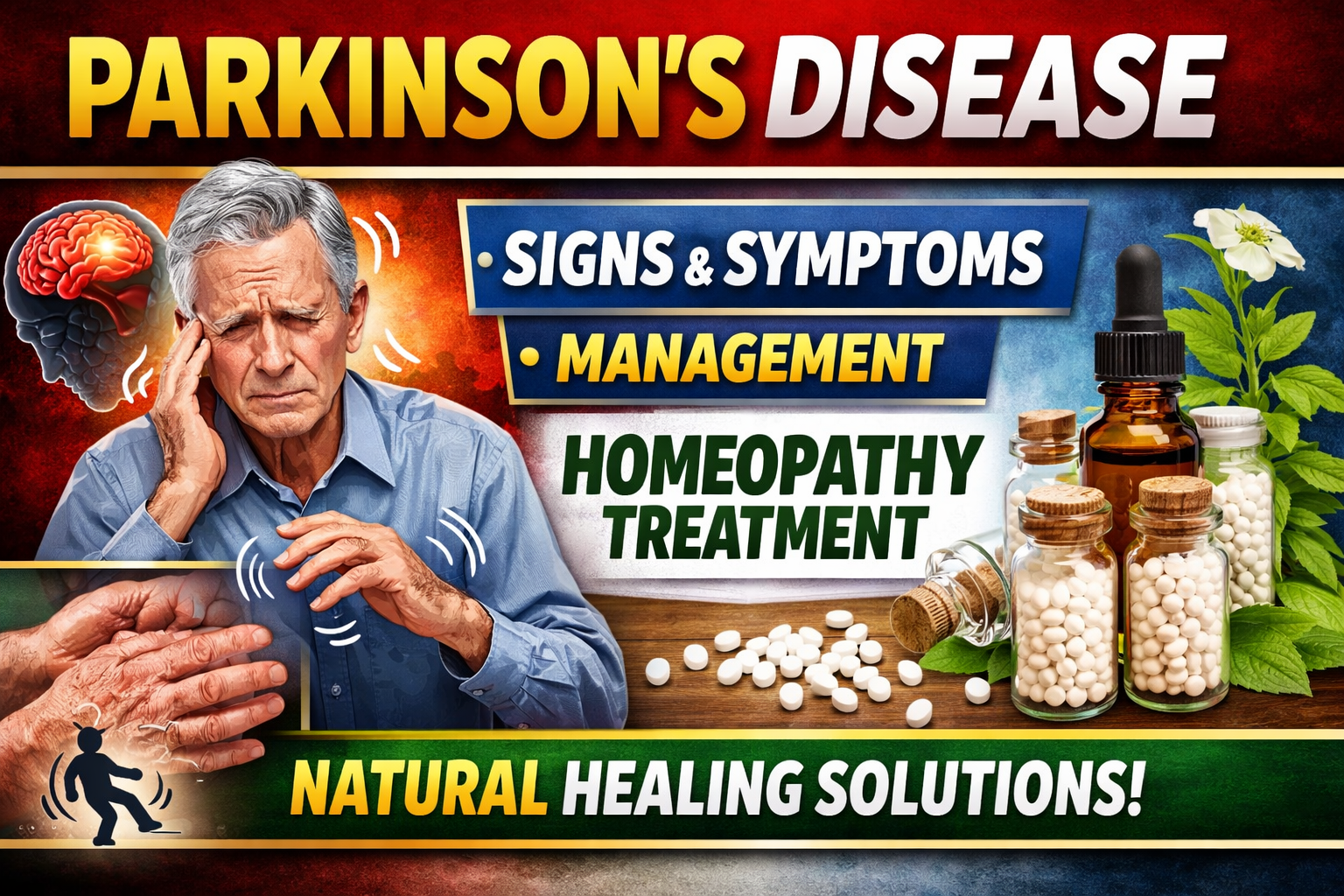
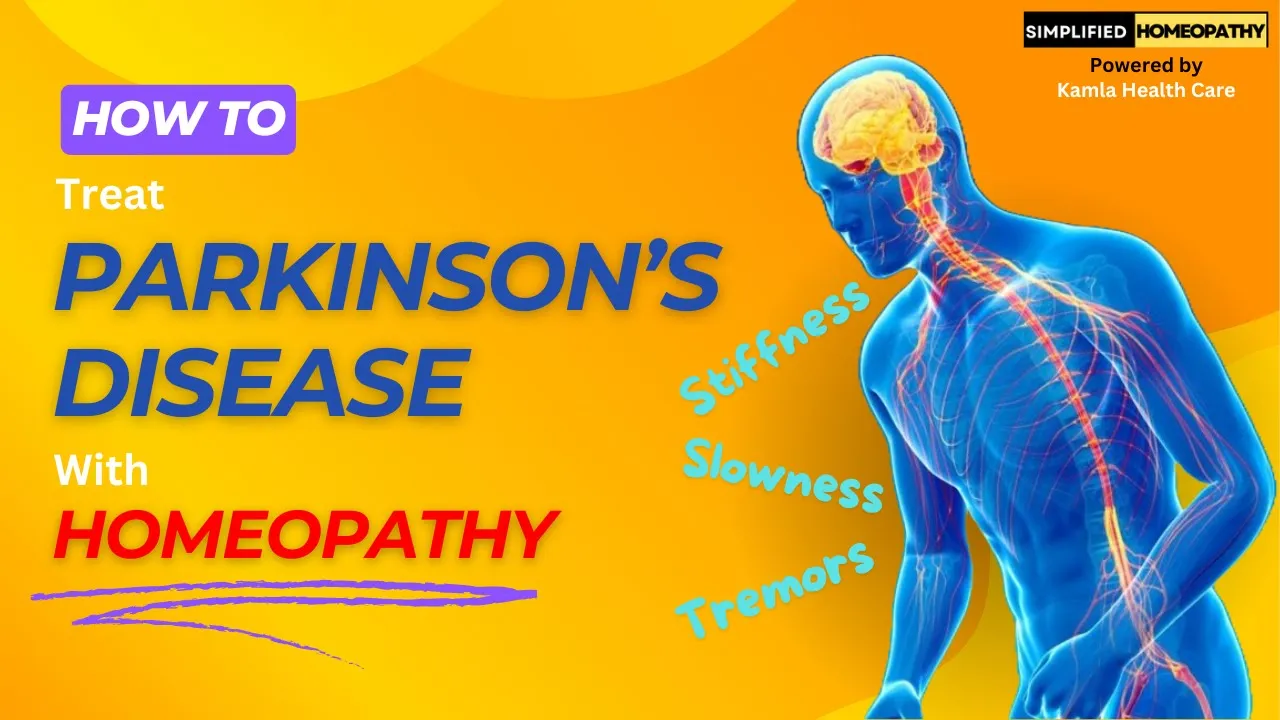
Parkinson’s disease is a chronic disorder of the nervous system caused by the degeneration of dopamine-producing neurons in the brain. Dopamine is a neurotransmitter responsible for smooth and coordinated muscle movements.
As dopamine levels decline, patients begin to experience motor and non-motor symptoms that gradually worsen over time.
Causes of Parkinson’s Disease
While the exact cause remains unclear, several factors contribute to the development of Parkinson’s:
1. Genetic Factors
Certain gene mutations may increase susceptibility, especially in early-onset cases.
2. Environmental Triggers
Exposure to toxins, pesticides, and heavy metals has been linked to increased risk.
3. Age
Most cases occur after the age of 60.
4. Oxidative Stress
Damage caused by free radicals may accelerate neuron degeneration.
Symptoms vary from person to person but generally fall into two categories:
Motor Symptoms
One of the earliest and most noticeable symptoms—often starting in one hand or fingers.
Simple tasks become difficult and time-consuming.
Stiffness in limbs and trunk, causing pain and restricted movement.
Loss of balance and increased risk of falls.
Non-Motor Symptoms
1. Depression & Anxiety
Mental health changes are common and often overlooked.
2. Sleep Disorders
Insomnia, restless sleep, or excessive daytime sleepiness.
3. Cognitive Decline
Memory issues and difficulty concentrating.
4. Speech & Writing Changes
Soft speech and smaller handwriting (micrographia).
Stages of Parkinson’s Disease
Parkinson’s progresses in stages:
Early Stage – Mild symptoms, often unnoticed
Moderate Stage – Increased motor difficulties
Advanced Stage – Significant impairment and dependency
Early detection plays a crucial role in slowing disease progression.
Diagnosis of Parkinson’s Disease
There is no single definitive test. Diagnosis is primarily clinical and based on:
Imaging tests like MRI may be used to rule out other conditions.
Conventional Management of Parkinson’s Disease
Modern medicine focuses on symptom control:
 Medications
Physical Therapy
Improves mobility and balance
Occupational Therapy
Helps maintain independence
Speech Therapy
Improves communication abilities
While effective, these treatments may cause side effects over time and do not halt disease progression.
Homeopathic Approach to Parkinson’s Disease
Homeopathy offers a holistic, individualized, and side-effect-free approach to managing Parkinson’s disease. Instead of suppressing symptoms, it aims to stimulate the body’s natural healing mechanisms.
At Kamla Health Care, treatment is tailored according to the patient’s:
If you are searching for the best homeopathic doctor in kanpur, a personalized approach like this is crucial for long-term results.
Advantages of Homeopathic Treatment
Note: These remedies should be taken under professional supervision.
3. Causticum
Restlessness in legs
Nervous exhaustion
5. Hyoscyamus
Involuntary movements
Nervous excitability
These remedies are selected based on totality of symptoms, not just diagnosis.
✔️ Safe and natural
✔️ No long-term side effects
✔️ Individualized treatment
✔️ Can be used alongside conventional medicine
✔️ Focus on improving quality of life
Patients consulting a top homeopathic doctor in kanpur often report improved symptom control and overall well-being.
Along with medical treatment, lifestyle plays a vital role:
Diet
Exercise
Mental Health
Meditation
Counseling if needed
Sleep Hygiene
At Kamla Health Care, we believe in treating the patient, not just the disease.
Our Approach:
If you are looking for the best homeopathic doctor in kanpur, our clinic offers advanced and result-oriented care with a patient-centric approach.
Seek medical advice if you notice:
Early intervention can significantly improve outcomes.
Final Thoughts
Parkinson’s disease is a challenging condition, but with the right combination of medical care, lifestyle changes, and holistic treatment, patients can lead a fulfilling life.
Homeopathy provides a promising complementary approach that focuses on long-term relief and improved quality of life. Consulting a top homeopathic doctor in kanpur can help you receive the right guidance and individualized care.
Take the First Step Toward Better Health
If you or your loved one is struggling with Parkinson’s disease, don’t wait.
Visit: khchomeopathy.com
Book your consultation today at 8318558933
Experience the power of safe, natural, and effective homeopathic healing.

 Medications
 Physical Therapy
 Occupational Therapy
 Speech Therapy
 Note: These remedies should be taken under professional supervision.
 Diet
Diet Exercise
 Sleep Hygiene
 Our Approach:
 Visit: khchomeopathy.com
 Book your consultation today at 8318558933