
Contents
ToggleHomeopathic Management of PCOD: A Complete Guide for Young Women
Polycystic Ovarian Disease (PCOD) has become one of the most common hormonal disorders among young women. Irregular periods, acne, weight gain, facial hair growth, mood swings, and difficulty in conceiving are only a few of the challenges patients face. While conventional treatment often offers temporary relief, homeopathy aims to correct the underlying hormonal imbalance and restore long-term well-being.
This guide explains symptoms, causative factors, the constitutional approach in homeopathy, and real success stories from clinical practice.
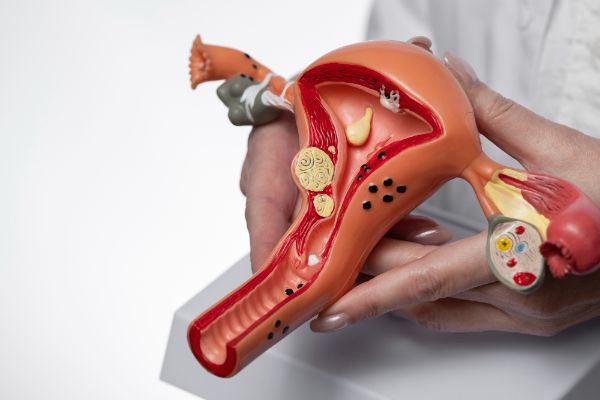
What Is PCOD?
PCOD is a functional disorder of the ovaries in which multiple small cysts develop, leading to disturbed ovulation and hormonal fluctuations.
Unlike diseases caused by structural damage, PCOD is primarily functional and reversible — which is why homeopathy plays a powerful role in management.
Common Symptoms
Young women present with one or more of the following:
Sudden weight gain or difficulty in losing weight
Mood swings, anxiety, and low confidence
Each patient has a unique pattern, and recognizing these patterns is
Why Does PCOD Happen?
1. Hormonal Imbalance
Disturbance in LH/FSH ratio affects ovulation and cycle regularity.
2. Insulin Resistance
High fasting insulin levels stimulate the ovaries to produce excess androgens.
3. Lifestyle Factors
Lack of sleep, junk food consumption, and sedentary habits accelerate hormonal disruption.
4. Emotional Stress
Chronic stress affects the hypothalamic–pituitary–ovarian axis, altering menstrual patterns.
5. Genetic and Familial Factors
A strong history of metabolic disorders increases risk.
Homeopathy addresses these root causes through individualized treatment.
Homeopathic Approach to PCOD
The Constitutional Method
Homeopathy does not treat PCOD as a single disease entity. Instead, treatment is based on:
Physical constitution
Mental and emotional patterns
Hormonal profile
Past illnesses
Menses history
Family tendencies
Stress response patterns
The goal is to restore normal ovulation, correct hormonal imbalance, and prevent recurrence.
Common Remedies (Given Only After Detailed Case-Taking)
These are examples, not prescriptions:
Sepia: Irregular menses, irritability, aversion to company, bearing-down sensation.
Lachesis: Congestive symptoms, left-sided complaints, intolerance of tight clothing.
Pulsatilla: Late or scanty periods, mild temperament, thirstlessness.
Calcarea Carb: Obesity, sweating, sensitivity to cold, slow metabolism.
Natrum Mur: Stress-related hormonal disorders, reserved personality, hair fall.
The right remedy is selected only after repertorization and constitutional analysis.
Lifestyle Guidance for Faster Cure
Homeopathic treatment is significantly enhanced with lifestyle modifications:
1. Diet
Reduce dairy, sugar, and refined carbs.
Increase fiber, vegetables, seeds, and whole grains.
Maintain a consistent meal schedule.
2. Exercise
30 minutes of brisk walking or yoga daily.
Surya Namaskar, Bhujangasana, and Malasana help improve pelvic circulation.
3. Stress Management
Meditation, deep breathing, journaling, or guided relaxation.
4. Sleep Hygiene
7–8 hours of uninterrupted sleep to stabilize hormonal rhythms.
SUCCESS STORIES
A young woman with acne, weight gain, and severe PMS responded beautifully to individualized homeopathic treatment. Within 4 months, her cycles normalized to 32–35 days, acne reduced by 80%, and her mood swings settled.
Case 2: 27-Year-Old Trying to Conceive for 2 Years
Diagnosed with PCOD and anovulation, she started constitutional treatment. After correcting insulin resistance and cycle regulation over 6 months, ovulation resumed naturally. She conceived in the 8th month of treatment.
Case 3: 18-Year-Old With Heavy Bleeding and Severe Hair Fall
A constitutional remedy matched with her emotional profile (sensitivity, fear of rejection) resulted in dramatic improvement. Hair fall stopped in 6 weeks, and cycles became regular in 3 months.
These examples demonstrate the depth and reliability of the homeopathic approach when applied professionally.
When to Consult a Homeopathic Specialist?
If your cycles have been irregular for more than 3–4 months
If acne or hair growth is worsening
If you are unable to lose weight despite diet
If fertility is affected
If conventional treatments are giving only temporary relief
Early homeopathic intervention can prevent long-term complications.
Final Thoughts
PCOD is not a lifelong condition. With individualized homeopathic prescriptions, lifestyle restructuring, and continuous monitoring, most young women can experience complete and sustained recovery.
Homeopathy treats more than the cysts — it restores confidence, emotional stability, and overall well-being.